
You are typing the word and pause halfway through. Is it choosing or chosing? Here is the direct answer: choosing is the only correct spelling. “Chosing” is a common misspelling and is never correct in standard English, no matter the context. The confusion happens because the past tense of “choose” is “chose,” which drops a letter, leading many writers to assume the “-ing” form should drop a letter too. It should not.
The Quick Answer: Choosing or Chosing in One Sentence
Choosing is the correct present participle and gerund form of the verb “choose.” Chosing is always a misspelling and has no legitimate use in any form of English, whether formal, informal, American, or British. If you remember one rule, remember this: choosing keeps the double “oo” from the base verb, while chosing incorrectly drops it.
What Does Choosing Mean?
Choosing is the -ing form of the verb “choose,” meaning to select or decide between options.
- Part of speech: verb (present participle or gerund)
- Pronunciation: CHOO-zing
- Example: “She spent an hour choosing the right paint color.”
Choosing can function as part of a continuous verb tense (“I am choosing”), or as a gerund acting like a noun (“Choosing a career is difficult”).
Why “Chosing” Is Incorrect
The word “chosing” does not appear in any standard English dictionary, because it breaks the normal spelling rule for forming the “-ing” version of “choose.”
Here is why the mistake happens. The base verb is choose (spelled with two o’s). Its past tense is chose (spelled with one o), and its past participle is chosen (also one o). Because two of the three main forms of this verb drop a letter, many writers assume the “-ing” form should follow the same pattern and drop a letter too, producing the incorrect “chosing.”
But English “-ing” formation does not work that way here. To form the present participle of “choose,” you simply drop the silent final “e” and add “-ing,” keeping the double “oo” fully intact: choose minus e, plus ing, equals choosing.
Choosing or Chosing: The Core Difference
There is no legitimate difference in meaning between these two spellings, because only one of them is a real word.
| Term | Correct? | Meaning | Example |
| Choosing | Yes | Selecting or deciding between options | “She is choosing between two job offers.” |
| Chosing | No | Not a standard English word | Should always be corrected to “choosing” |
Unlike word pairs where both spellings are legitimate in different contexts, choosing or chosing is a simple case of one correct form and one consistent misspelling.
The Verb Family: Choose, Chose, Chosen, Choosing
Understanding the full verb pattern makes it easier to remember where the “-ing” form fits.
- Choose: base form, used in present tense (“I choose the blue one”)
- Chose: simple past tense (“I chose the blue one yesterday”)
- Chosen: past participle, used with “have” or “has” (“I have chosen the blue one”)
- Choosing: present participle and gerund (“I am choosing the blue one right now”)
Notice that choose and choosing both keep the double “oo,” while chose and chosen drop one letter. This pattern is consistent and predictable once you see all four forms side by side.
More related post : Bellow or Below: 6 Rules for Telling These Words Apart https://feastinsidar.com/bellow-or-below/
Grammar and Spelling Notes
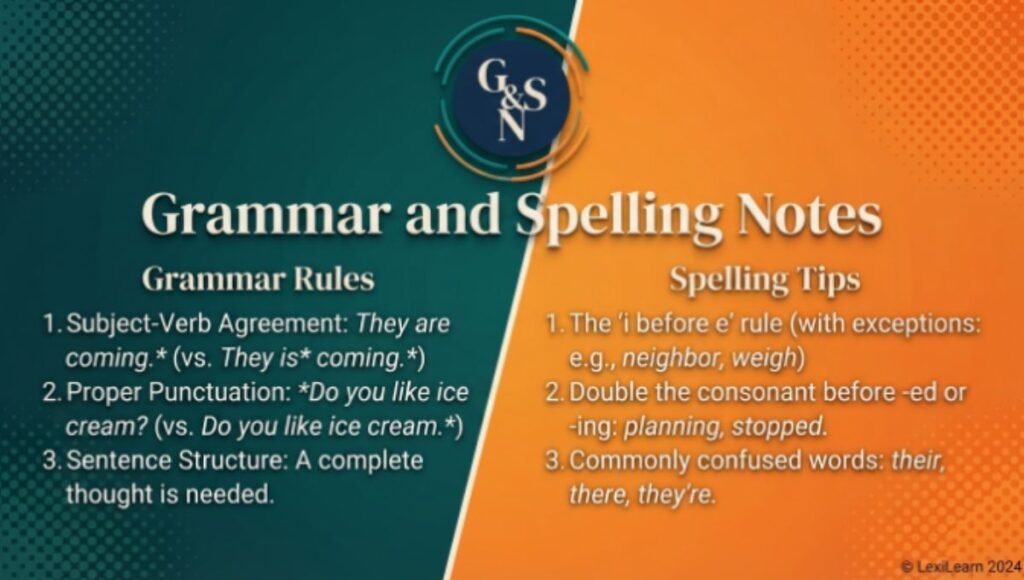
A few grammar details help explain why choosing keeps its spelling intact.
- Dropping the silent e: standard English spelling rule states that when adding “-ing” to a verb ending in a silent “e,” you drop the “e” before adding the ending (make becomes making, write becomes writing, choose becomes choosing)
- Double letters stay: unlike the past tense forms, the “-ing” ending does not remove any letters from the root beyond the silent “e”
- Consistent across all uses: choosing is spelled the same way whether it functions as a verb (“I am choosing”) or a gerund noun (“Choosing wisely matters”)
- American and British English: there is no regional spelling difference for this word; choosing is correct in both American and British English
Real Life Examples in Different Contexts
Seeing choosing used correctly across different situations reinforces the spelling.
Everyday conversation: “I keep choosing the same restaurant every time we go out.”
Workplace communication: “The hiring committee is still choosing between the final two candidates.”
Academic writing: “The study focused on how consumers approach choosing between similar products.”
Business writing: “Our team is choosing a new vendor for next quarter’s supplies.”
Formal writing: “The board is responsible for choosing the organization’s next director.”
Casual writing: “Ugh, choosing a Netflix show is taking longer than actually watching one.”
In every example, choosing keeps the same spelling regardless of tone or formality, because there is only one correct way to write it.
Common Mistakes with Choosing or Chosing
A few related errors show up alongside this misspelling.
Incorrect: I am chosing a new laptop this week. Correct: I am choosing a new laptop this week. Reason: Chosing is not a real word in any context, so choosing is always the correct spelling here.
Incorrect: Chosing between the two options was difficult. Correct: Choosing between the two options was difficult. Reason: When “choosing” functions as a gerund (acting like a noun), the spelling still keeps the double “oo.”
Incorrect: She has been chosing colors for the new house. Correct: She has been choosing colors for the new house. Reason: Even in continuous past tense structures like “has been,” the “-ing” form is always spelled with two o’s.
Related Words and Forms Worth Knowing
A few related words follow similar or contrasting spelling patterns:
- Choice: the noun form, referring to the decision itself or an option available
- Choosy: an informal adjective meaning particular or selective
- Losing: follows the same silent “e” dropping rule as choosing (lose becomes losing)
- Closing: another example of the same pattern (close becomes closing)
- Chosen: the past participle, correctly spelled with one o, unlike choosing
Comparing choosing to words like losing and closing helps confirm the pattern: drop the silent “e,” keep everything else, and add “-ing.”
How to Avoid This Mistake Going Forward
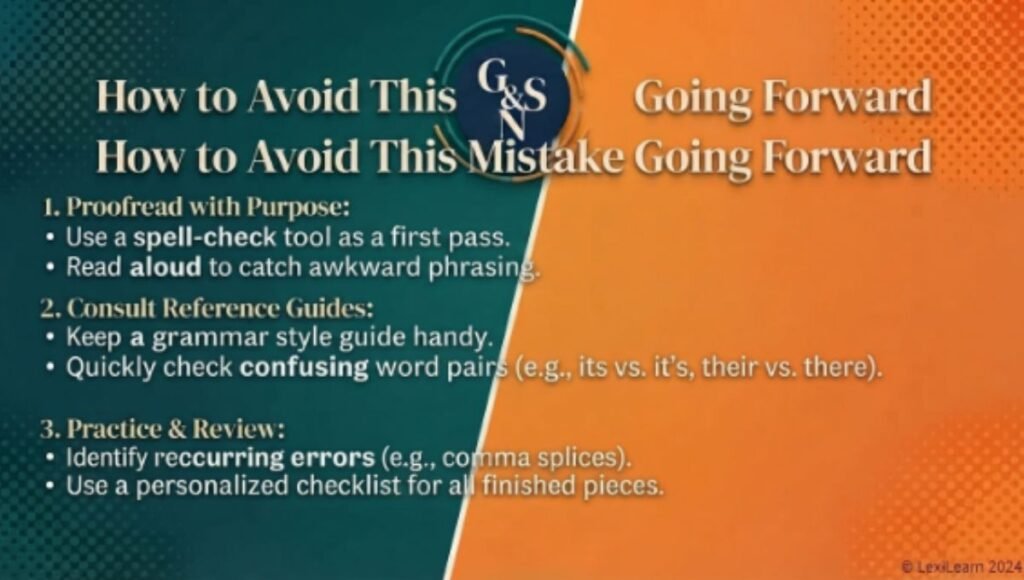
Use this simple checklist to make sure you always spell this word correctly:
- Start with the base verb “choose,” not the past tense “chose.”
- Drop only the final silent “e.”
- Add “-ing” directly after the double “oo”: choos plus ing equals choosing.
- If you catch yourself writing “chosing,” pause and check that you kept both o’s.
- Compare it to similar words like losing or closing if you need a quick spelling check.
Frequently Asked Questions
Is “chosing” ever correct in any dialect of English?
No. Chosing is not correct in American English, British English, or any other standard dialect. It is always a misspelling of choosing.
Why does “choose” become “chose” but “choosing” keeps both o’s?
Past tense forms in English often follow irregular patterns that drop or change letters, while the “-ing” form usually follows the more predictable rule of just dropping the silent final “e” from the base verb.
How do you spell the “-ing” form of “choose”?
The correct spelling is choosing, formed by dropping the final “e” from “choose” and adding “-ing.”
Is “choosing” a verb or a noun?
Choosing can function as both. As a verb, it forms continuous tenses (“I am choosing”). As a gerund, it acts like a noun (“Choosing a college is stressful”).
The Bottom Line
When it comes to choosing or chosing, only one spelling is ever correct: choosing. Keep the double “oo” from the base verb “choose,” drop only the silent “e,” and you will spell this word correctly every time.











2 thoughts on “Choosing or Chosing: 5 Rules for Getting This Spelling Right”